





What are biodiversity units
Biodiversity units in the UK are used as part of the biodiversity metric, an official and statutory term referring to a way of measuring biodiversity value for the purposes of the Biodiversity Net Gain (BNG) regulations. For this purpose there are three types of biodiversity units, which are calculated in three separate modules or types used; area units, hedgerow units and watercourse units.
The metric approach is used to calculate how many units a habitat contains before a development takes place and how many units are needed to replace the units of habitat lost in order to achieve 10% BNG according to the regulation, through the creation or enhancement of habitat.
The biodiversity metric used to calculate biodiversity units takes into consideration the size, condition, strategic significance and type of the habitat under consideration. For habitats that are enhanced or newly created, the formula also takes account of; the difficulty of the creation or enhancement, the time it takes a habitat to reach its target condition and the distance from the habitat loss.
It measures all types of habitat, including:
- grassland
- hedgerows
- lakes
- woodland
- watercourses such as rivers and streams
The statutory (official) biodiversity metric calculation tool must be used in order to demonstrate that a developer has calculated the number of biodiversity units for existing habitat or habitat enhancements in accordance with the statutory biodiversity metric.
For further information on the Biodiversity Net Gain (BNG) visit here
For further information on the biodiversity metric calculation tools and guides visit here
[edit] Related articles on Designing Buildings
- Biodiversity.
- Biodiversity gain.
- Biodiversity in the urban environment.
- Biodiversity offsetting.
- Biophilia.
- Blue-green infrastructure.
- Blue green solutions.
- Designing green and blue roofs.
- Ecological network.
- Ecological impact assessment.
- Ecology.
- Ecology compensation.
- Ecology connectivity.
- Environmental impact assessment.
- Environmental net gain.
- Green infrastructure.
- Green roofs.
- Nature improvement area.
- Natural environment white paper.
- Sustainable development toolkit.
- The future of green infrastructure.
- The sustainability of construction works.
- Water engineering.
Featured articles
Check out some of the best features and news from Designing Buildings as well as key stories from around the web.
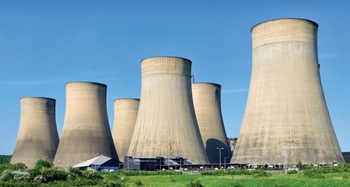
The heritage of nuclear and conventional power stations.
New measures to stop people being ripped off

Government to protect families from cowboy builders and aggressive bailiffs.

New Futurebuild showcase brings an innovation-first approach.
National Planning Policy Framework
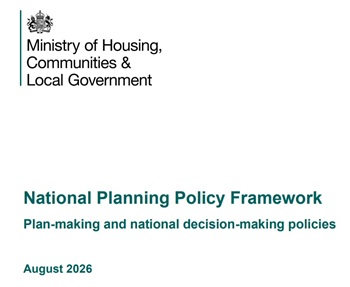
Understanding the 2026 changes.
ECA's public affairs priorities

Member consultation opens to shape priorities for 2027 to 2030.

Dutyholder responsibilities from 1 July 2026.
Where performance meets practice

The Building Envelope Stage at UKCW Birmingham.
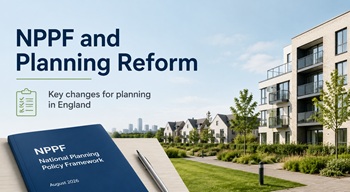
CIAT publishes briefing on planning reforms.
Leaders in Learning for Practice Network

Call for conservation leaders in learning to register interest in new network.
The importance of early engagement
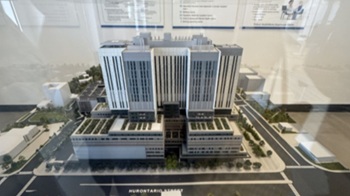
Construction lessons from the Trillium HealthWorks Experience Centre.
Mayors are to be given planning call in powers
Mayors across England will be able to make the most important planning decisions.
The Master Builder: William Butterfield and his times. Book review.